
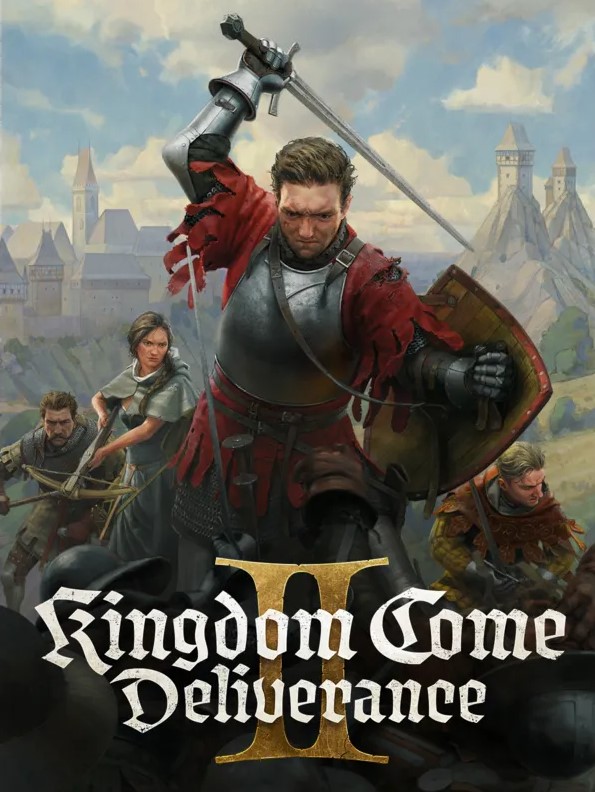
Many role-playing games borrow historical inspiration, yet only a few place strong emphasis on authenticity. The Kingdom Come: Deliverance II: 2 Steam release attracts attention because it continues to focus on realistic medieval environments and everyday challenges. Towns, villages, and countryside locations are designed to reflect a believable historical setting. Players interact with systems that encourage observation and preparation. This approach creates a different experience compared with fantasy-focused role-playing games that rely heavily on magical elements.
Progress Takes Patience
Character development feels more meaningful when advancement happens gradually instead of instantly. The Kingdom Come Deliverance II 2 Steam experience encourages players to improve abilities through practice and repeated use. Skills become stronger as actions are performed consistently throughout gameplay. This design choice adds a sense of progression that feels connected to player decisions. Rather than unlocking everything immediately, growth develops steadily through exploration, combat, and interaction with different activities.
Exploring Earlier Adventures
Some players enjoy comparing newer releases with previous entries before deciding which version suits them best. The Kingdom Come: Deliverance Royal Steam PC Edition remains relevant because it introduced many of the systems that helped define the series. Exploring earlier content can provide useful context regarding gameplay mechanics and progression systems. Comparing both experiences highlights how features evolve over time. This can help players better understand what each version offers.
Combat Feels Grounded
Action systems often shape the overall identity of role-playing games. The Kingdom Come: Deliverance II Steam version continues to emphasize combat that rewards timing, positioning, and careful decision-making. Encounters typically require attention rather than simple repetitive attacks. Different weapons influence how players approach situations, creating opportunities for varied strategies. Combat remains challenging without feeling disconnected from the broader game world. These mechanics contribute to a more immersive and deliberate gameplay experience.
World Activities Expand
Large game worlds become more engaging when they include meaningful activities beyond primary objectives. The Kingdom Come Deliverance royal Steam PC release demonstrated how side content can support immersion without distracting from progression. Optional tasks, exploration opportunities, and interactions with non-player characters help create a living environment. These activities encourage players to spend time discovering details often missed during direct progression. Such variety adds depth and supports longer engagement with the game.
Choices Shape Outcomes
Decision-making plays an important role throughout many role-playing experiences. Kingdom Come: Deliverance II: Steam Edition continues this tradition by presenting situations where choices influence progression and outcomes. Different decisions may lead to different interactions, opportunities, or consequences. This encourages players to think carefully before acting. Choice-driven systems add replay value because multiple approaches remain possible. As a result, players often experience the game differently depending on their preferred style.
Conclusion
Role-playing games often stand out when they combine meaningful progression, detailed environments, and systems that reward thoughtful decisions. Visitors exploring key-softs.com can review gaming options and compare editions based on gameplay depth, historical themes, and overall content. Some players appreciate realistic medieval settings because they offer a different experience from traditional fantasy adventures. Taking time to evaluate features and mechanics can help identify the most suitable choice. Compare available editions carefully and select the experience that best matches your gaming interests.